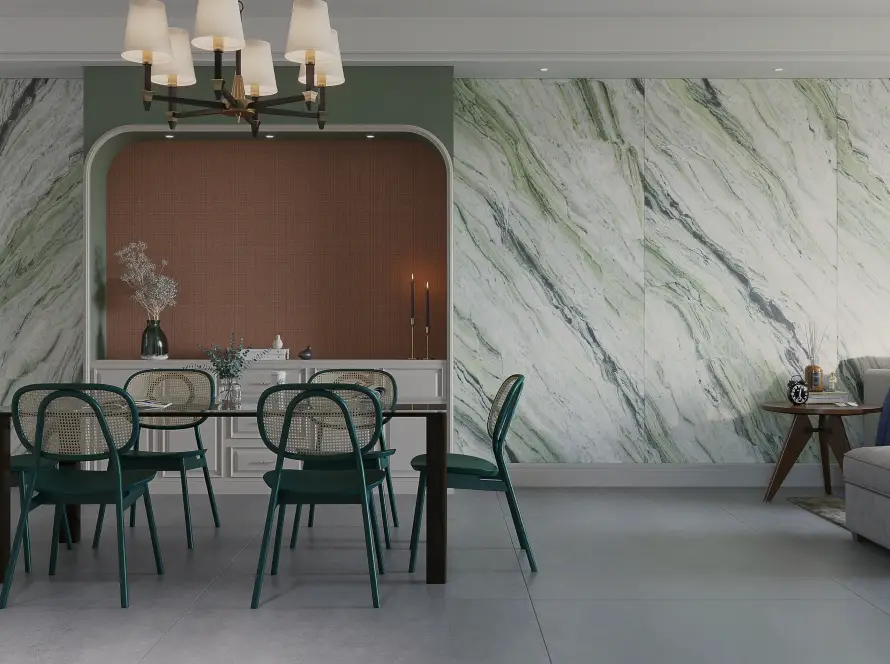
Exterior design is a long-term performance commitment. Unlike interiors, where materials can be changed over time, facades are exposed continuously to environmental pressure that does not pause. It includes UV radiation, extreme heat, airborne dust, humidity shifts between indoor and outdoor zones, and constant thermal expansion cycles.
That’s why selecting facade tiles Dubai is a critical element of building system decisions.
Most failures we see in exterior cladding do not come from poor architecture. They come from incorrect material selection, especially when teams treat exterior cladding Dubai the same way they treat interior finishes. That single mistake shortens facade lifespan significantly.
This guide breaks down what actually matters in facade tile selection in Dubai. So let’s get started.
Why Facades in Dubai Fail Faster Than Expected
Dubai’s environment is uniquely aggressive toward exterior materials. Unlike temperate regions where facade aging is slow and gradual, Dubai accelerates every weakness in a material system.
There are three primary stress factors:
1. Extreme UV exposure
Sunlight intensity in Dubai is not just limited to brightness. It includes constant, direct ultraviolet exposure for most of the year. This affects pigment stability, surface coatings, and even adhesives over time.
2. Thermal cycling
During the day, facade surfaces heat up significantly. At night, they cool rapidly due to air conditioning leakage zones and shaded heat loss. This expansion-contraction cycle creates micro-stress in low-quality materials.
3. Dust and airborne particles
Fine desert dust is a surface abrasion issue. Over time, it dulls low-density materials and settles into joints, permanently affecting appearance.
This is why facade material UAE selection cannot be based on appearance alone. It must be evaluated based on behavior under stress.
Heat Resistance Is the First Filter
When selecting heat resistant facade tiles, most people assume the question is: “Will it get hot?”
The real engineering question is: “How does the material behave after repeated thermal expansion cycles over years?”
A facade does not fail in one moment. It fails gradually:
- slight expansion stress creates hairline cracks
- UV exposure weakens surface binders
- thermal movement loosens joints
- moisture or dust enters micro-gaps
- long-term structural fatigue becomes visible
In Dubai, this cycle is accelerated.
That’s why high-performance systems in building facade cladding UAE projects are designed to prioritize thermal stability above all else. If a material cannot maintain structural integrity under heat variation, it should not be used regardless of how visually appealing it is.
Why Porcelain Has Become the Default Facade Material
Among all exterior materials available today, porcelain has emerged as the most reliable solution for large-scale facades.
Modern porcelain facade Dubai systems are engineered differently from traditional ceramic or stone. They are manufactured under higher pressure and temperature conditions, resulting in:
- extremely low porosity (reduces water absorption almost entirely)
- high mechanical strength (resists cracking under load and expansion)
- color-through-body consistency (reduces visible fading over time)
- chemical stability (resists environmental degradation)
This is critical in Dubai because surface coatings alone are not enough. Any surface-level finish will eventually degrade under UV exposure.
Porcelain eliminates that dependency by embedding design and color within the material itself.
This is also why large porcelain slabs in the UAE are increasingly used in premium developments. They reduce joint lines while maintaining structural reliability at scale.
Large Format Facades: Why Size Directly Impacts Durability
One of the most important yet misunderstood shifts in modern architecture is the use of large format facade systems. Every joint in a facade system represents:
- a potential dust trap
- a thermal stress point
- a moisture entry line
- a visual discontinuity
Reducing joints improves long-term stability.
That’s why commercial facade tiles UAE installations increasingly rely on oversized formats. Large tiles reduce the number of weak points in the system, which directly improves facade longevity.
Architecturally, they also create a more monolithic appearance. Thus making buildings feel like a single engineered form rather than assembled segments.
Why Seamless Facades Are Becoming the New Standard
The concept of seamless tiles Dubai is not about eliminating joints completely. Instead it’s about controlling visual fragmentation.
In older facade systems, joints were considered necessary structural separations. In modern systems, joints are minimized and strategically aligned to preserve continuity.
The visual benefits are significant:
- cleaner architectural reading from distance
- improved perception of building scale
- reduced visual aging over time
- more consistent light reflection across surfaces
In a city like Dubai, where buildings are constantly viewed under strong sunlight, visual consistency matters more than decorative detail.
The Role of Outdoor Wall Tiles in Dubai’s Climate
A critical mistake in many projects is using interior-grade materials in exterior wall applications. Proper outdoor wall tiles Dubai systems must account for:
- direct UV exposure
- wind-driven particulate impact
- temperature extremes between shaded and sunlit zones
- occasional moisture exposure during cleaning or rare rainfall
Interior tiles are not engineered for this combination of stress factors.
This mismatch is one of the most common causes of facade deterioration. When materials are not rated for exterior performance, failure does not happen immediately. Instead it appears gradually through fading, cracking, and surface dullness.
Architectural Intent: Why Facades Must Match Design Language
A facade is not just a protective layer. It is the first visual statement of a building’s identity. The architectural tiles of Dubai play a critical role. They are selected not just for durability, but for how they communicate design intent at scale.
For example:
- smooth stone textures suggest modern minimalism
- linear patterns suggest structural precision
- matte finishes suggest controlled luxury
- reflective surfaces suggest bold architectural expression
The challenge is maintaining this identity over time without degradation. That’s why material stability is as important as design selection.
The Luxury Layer: Why High-End Facades Avoid Excess Detail
In premium developments, luxury tiles UAE are rarely visually complex. Instead, they rely on restraint. Luxury in facade design is achieved through:
- proportion control
- surface consistency
- material authenticity
- controlled reflectivity
Excess detail becomes visual noise when applied at building scale.
That’s why modern luxury facades in Dubai often appear simple from a distance but reveal refined detail up close. The design philosophy is controlled elegance, not decoration.
Renovation Reality: What Actually Changes in Facade Upgrades
In most facade renovation UAE projects, the structure itself is not the issue. The problem is visual and material aging.
Common reasons for renovation include:
- inconsistent fading across elevations
- outdated material textures that no longer match modern architecture
- grout discoloration and joint aging
- loss of visual sharpness due to dust accumulation
Instead of full reconstruction, many projects now shift to re-cladding using modern porcelain systems.
This allows buildings to retain structure while completely upgrading visual identity using updated facade tiles Dubai systems.
Commercial Facades: Why Appearance Directly Impacts Value
For commercial properties, facade design is financial positioning. In commercial facade tiles UAE applications, the facade directly influences:
- perceived building quality
- tenant expectations
- brand credibility
- rental or resale value
In competitive markets like Dubai, facade design often determines first impression value before any interior interaction occurs.
This makes exterior material selection a strategic business decision, not just an architectural one.
Final Thought
A well-designed facade is not defined by how it looks on completion day. It is defined by how little it changes over years of exposure.
In Dubai’s environment, that consistency is extremely difficult to achieve without the right combination of:
- engineered porcelain systems
- heat-resistant material behavior
- reduced joint design
- UV-stable finishes
- correct installation methods
This is why modern facade tiles Dubai selection is no longer about choosing a surface. It is about designing a long-term environmental response system.
When done correctly, the facade does not age visibly instead it holds its identity. And in a city built on visual impact like Dubai, that stability is what defines architectural success.