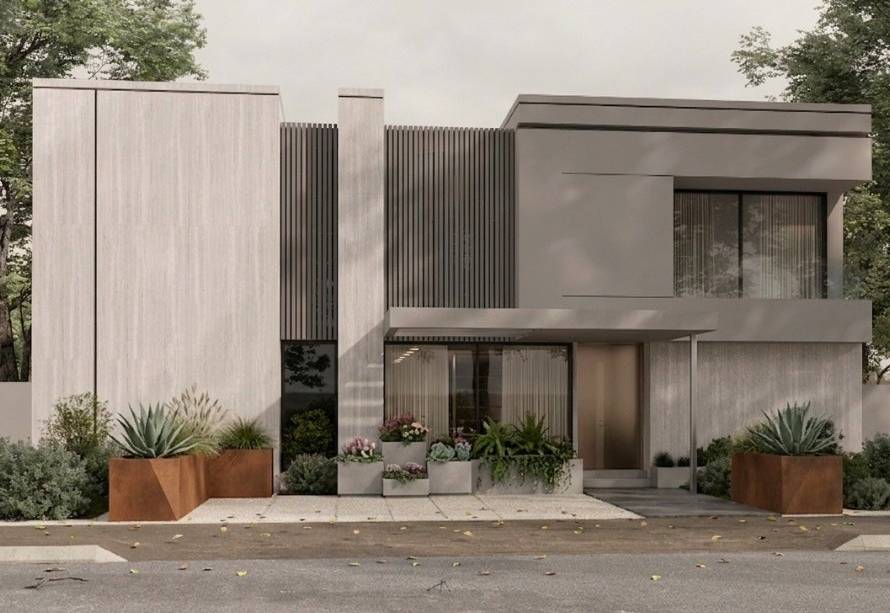
When designing or renovating a home in Dubai, choosing the right type of flooring is essential. Two of the most popular options are porcelain tiles and travertine tiles. Understanding their differences can help homeowners select the ideal material for aesthetics, durability, and maintenance.
Porcelain Tiles: A Modern Favorite
Porcelain tiles are manufactured by compressing fine clay at high temperatures, resulting in a dense, durable, and water-resistant flooring option. They are highly versatile, available in a range of colors, patterns, and finishes that mimic natural stone, wood, or even concrete.
Advantages of Porcelain Tiles in Dubai Homes:
- Durability: Porcelain tiles withstand heavy foot traffic, making them ideal for living rooms, kitchens, and hallways.
- Water Resistance: Perfect for bathrooms, kitchens, and outdoor patios, porcelain is less porous than natural stone.
- Low Maintenance: Easy to clean and resistant to stains, scratches, and fading under Dubai’s harsh sunlight.
- Design Flexibility: Offers a wide array of styles from matte to polished finishes for both modern and traditional homes.
Travertine Tiles: Natural Elegance
Travertine tiles, a type of natural limestone, are known for their earthy tones, natural veining, and luxurious feel. They add warmth and sophistication to indoor spaces, making them a top choice for premium Dubai homes.
Benefits of Travertine Tiles:
- Aesthetic Appeal: Each tile is unique with natural pits and veins, creating a timeless, elegant look.
- Comfort: Travertine remains cool underfoot, which is ideal for Dubai’s hot climate.
- Versatility: Suitable for living rooms, hallways, and light-traffic areas, offering a luxury touch.
- Eco-Friendly: Being natural stone, travertine is environmentally sustainable and long-lasting.
Key Differences Between Porcelain and Travertine Tiles
| Feature | Porcelain Tiles | Travertine Tiles |
|---|---|---|
| Material | Manufactured clay | Natural limestone |
| Durability | High, resistant to wear & scratches | Moderate, softer than porcelain |
| Water Resistance | High, suitable for wet areas | Moderate, requires sealing |
| Maintenance | Low, easy to clean | Higher, needs periodic sealing |
| Cost | Moderate to high | Higher, premium luxury |
| Appearance | Uniform or mimics natural stone | Unique, natural patterns |
| Ideal Usage | High-traffic areas, bathrooms | Indoor luxury areas, low-traffic zones |
Choosing the Right Tile for Your Dubai Home
- Porcelain is ideal for high-traffic areas, outdoor patios, and modern kitchens due to its durability and low maintenance.
- Travertine adds natural elegance to living rooms, bedrooms, or luxury bathrooms, creating a sophisticated ambiance.
- For mixed-use areas, consider porcelain tiles that mimic natural stone for a balance of beauty and practicality.
Domande frequenti
Q1: Are porcelain tiles suitable for Dubai outdoor spaces?
Yes, porcelain tiles are highly water-resistant and durable, making them perfect for balconies, patios, and pool areas.
Q2: Do travertine tiles require sealing?
Yes, due to their porous nature, travertine tiles should be sealed periodically to prevent staining and water damage.
Q3: Which tile type is more cost-effective?
Porcelain tiles are generally more affordable than travertine while offering similar aesthetic options.
Q4: Can I use travertine tiles in bathrooms?
Travertine can be used in bathrooms, but regular sealing is essential to maintain its look and prevent water damage.
Q5: How do I maintain porcelain tiles in Dubai’s climate?
Simply sweep, mop with mild detergent, and avoid harsh chemicals. Porcelain is UV-resistant, so fading is minimal.