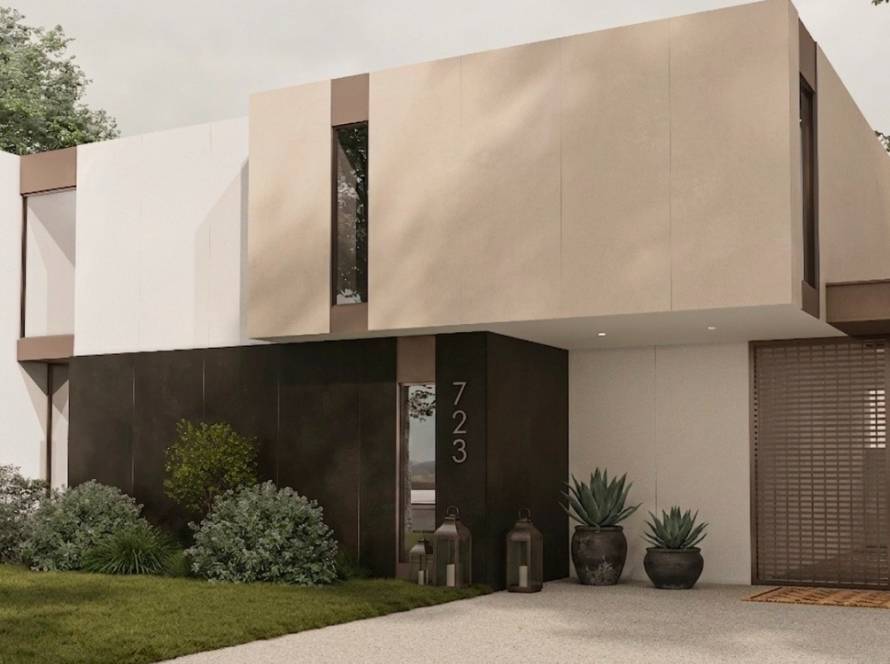
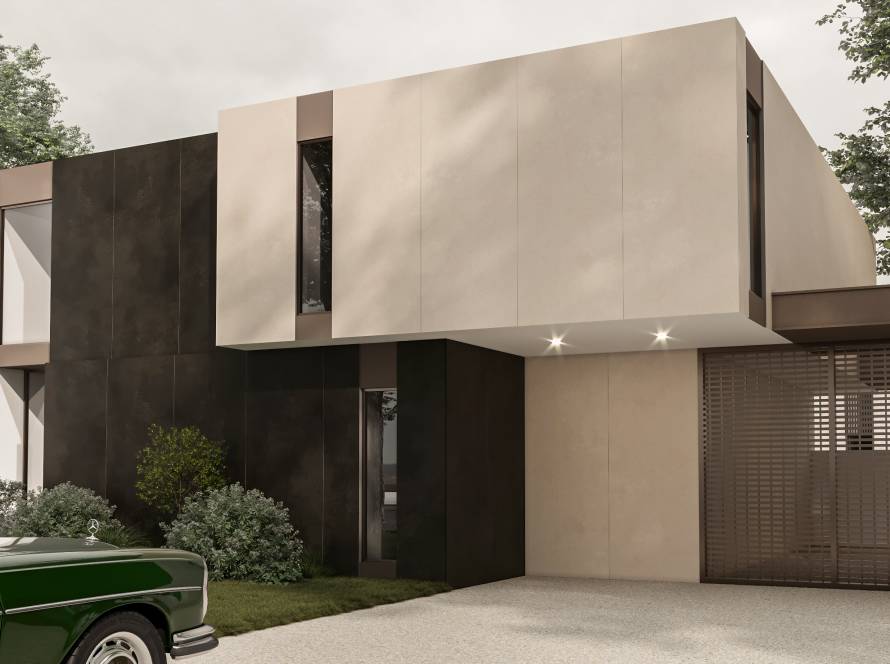
Chinese tiles have come a long way from being seen as just a budget option. Today, they are widely used in luxury apartments, modern villas, and large commercial projects because they offer impressive variety, consistent quality, and design flexibility. The real challenge isn’t choosing Chinese tiles, it’s matching wall tiles and floor tiles in a way that looks intentional, balanced, and premium.
Many homes fail visually not because the tiles are bad, but because the wall and floor combination doesn’t work together. This guide will help you understand how to pair Chinese tiles correctly, whether you’re designing a subtle modern space or aiming for bold luxury interiors.
Why Chinese Tiles Are a Smart Choice Today
Modern Chinese tiles now use advanced manufacturing processes, improved glazing, and stronger bodies, making them suitable for both walls and floors. Many imported tiles from China now rival European styles in finish and durability while remaining more accessible in price.
What makes them appealing is the range:
- Soft neutrals for minimal homes
- Bold decorative tiles for feature areas
- Large-format tiles for modern design layouts
This flexibility is exactly why correct matching matters.
Start With the Floor: Your Design Foundation
When matching wall and floor tiles, always begin with the floor. Floor tiles visually anchor the space and experience the most wear, so functionality must guide aesthetics.
Chinese floor tiles are available in matte, semi-polished, and polished finishes. For busy areas, durable tiles with matte or structured finishes work best. Once the floor tile is selected, the wall tiles should complement it not compete with it.
A common mistake is choosing wall tiles first because they “look nicer.” In reality, floors dictate scale, tone, and texture for the entire room.
Wall Tiles Should Support, Not Steal Attention
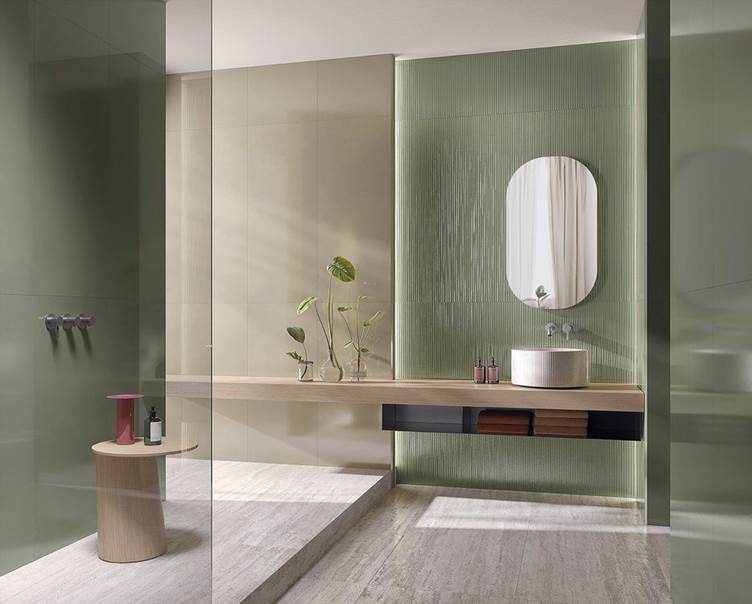
Wall tiles exist to enhance space, reflect light, and add character. With Chinese tiles, you’ll find countless wall tiles options plain, textured, glossy, and patterned.
If your floor tiles are busy or patterned, wall tiles should be calm and neutral. If your floor tiles are simple, walls can take more creative freedom through texture or decorative elements.
This balance is key to achieving a refined modern design instead of a visually noisy room.
Matching Colors Without Making the Space Flat
Perfect matching doesn’t mean identical colors. In fact, using the exact same shade on walls and floors often makes spaces feel boxed-in.
A better approach:
- Keep the floor slightly darker
- Choose wall tiles one or two tones lighter
- Stay within the same color family
This technique adds depth while keeping the look cohesive, especially important in luxury interiors where subtle contrast feels more elegant than strong color breaks.
Using Tile Patterns Without Overdoing It
Chinese tiles offer a wide variety of tile patterns, from marble-inspired veining to geometric and artistic designs. Patterns can elevate a space, but only when used strategically.
Patterned floor tiles pair best with plain wall tiles. Patterned wall tiles work best as accent areas rather than full coverage. When both the wall and floor are heavily patterned, the room can feel chaotic instead of stylish.
A single patterned surface creates focus; multiple patterned surfaces create confusion.
Decorative Tiles: Where and How to Use Them
Decorative tiles are one of the strongest advantages of Chinese tile collections. They allow personalization without the cost of custom materials.
Best areas for decorative tiles include:
- Feature walls in living rooms
- Bathroom shower niches
- Kitchen backsplashes
- Entryway accent walls
Pair decorative wall tiles with neutral floor tiles so the design feels intentional rather than overwhelming.
Texture Matters as Much as Color
Texture is often overlooked when matching wall and floor tiles. Smooth floors paired with heavily textured walls or vice versa can feel disconnected.
For harmony:
- Matte or textured floors pair well with soft-gloss wall tiles
- Polished floors work best with subtle wall textures
- Avoid extreme contrasts unless done deliberately
Chinese tiles offer a wide range of surface options, making it easier to match textures thoughtfully.
Premium Materials Don’t Always Mean High Gloss
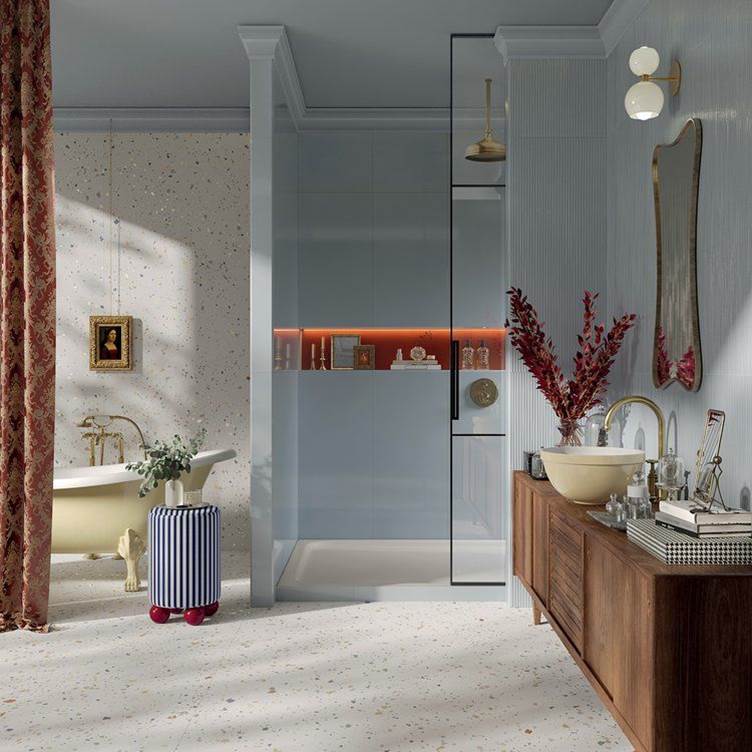
Many people associate premium materials with shine, but modern luxury interiors often rely on understated finishes. Chinese tiles now include stone-look, concrete-look, and soft-touch surfaces that feel premium without being flashy.
Using understated floor tiles with refined wall tiles creates a timeless look that doesn’t date quickly, especially important for long-term homes.
Large Spaces vs Small Spaces: Matching Rules Change
In large rooms, you can afford stronger contrasts and bolder tile patterns. In smaller rooms, continuity is more important.
For small spaces:
- Use similar tones for walls and floors
- Choose larger tile sizes to reduce grout lines
- Avoid heavy decorative tiles on multiple surfaces
For larger spaces:
- Introduce contrast through walls or floors
- Use decorative tiles as focal points
- Experiment with different tile patterns safely
Chinese tiles work well in both scenarios due to their variety in sizes and finishes.
Durability Should Guide Design Choices
While walls focus more on aesthetics, floors must always prioritize strength. Chinese durable tiles designed for high traffic areas ensure longevity without compromising style.
A beautiful wall-floor combination loses value if the floor shows wear quickly. Always confirm abrasion resistance and tile thickness before finalizing floor tiles.
Common Matching Mistakes to Avoid
Even good tiles can look bad if matched poorly. Avoid these frequent errors:
- Choosing wall and floor tiles independently
- Mixing too many finishes in one space
- Ignoring lighting when selecting tile colors
- Using decorative tiles on every surface
Consistency is what transforms imported tiles into a cohesive design.
Final Thoughts: Matching Is About Balance, Not Perfection
Matching Chinese tiles for walls and floors isn’t about strict rules, it’s about balance. When color, texture, pattern, and scale work together, even simple tiles can create stunning luxury interiors.
With today’s wide selection of Chinese tiles, you can achieve modern design, long-lasting durability, and premium visual appeal without overcomplicating choices. Start with the floor, support it with the right wall tiles, and let decorative tiles enhance not dominate the space.