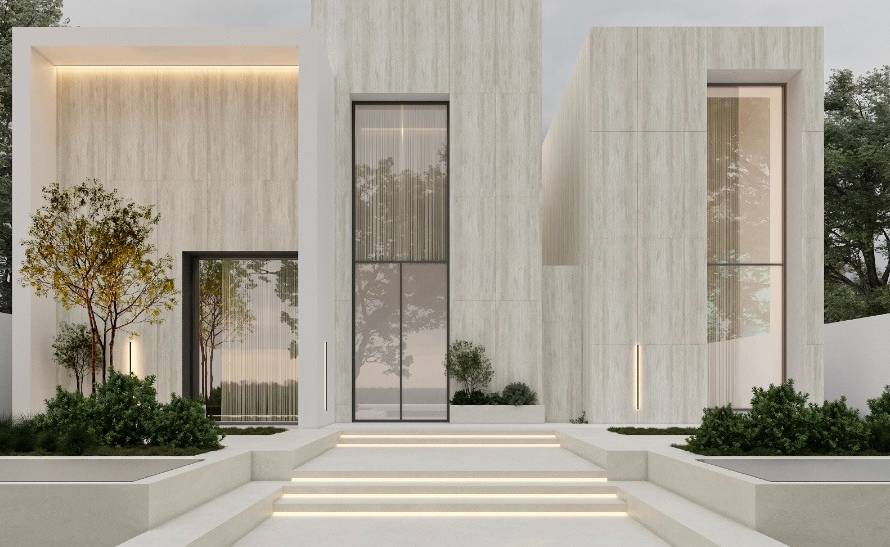
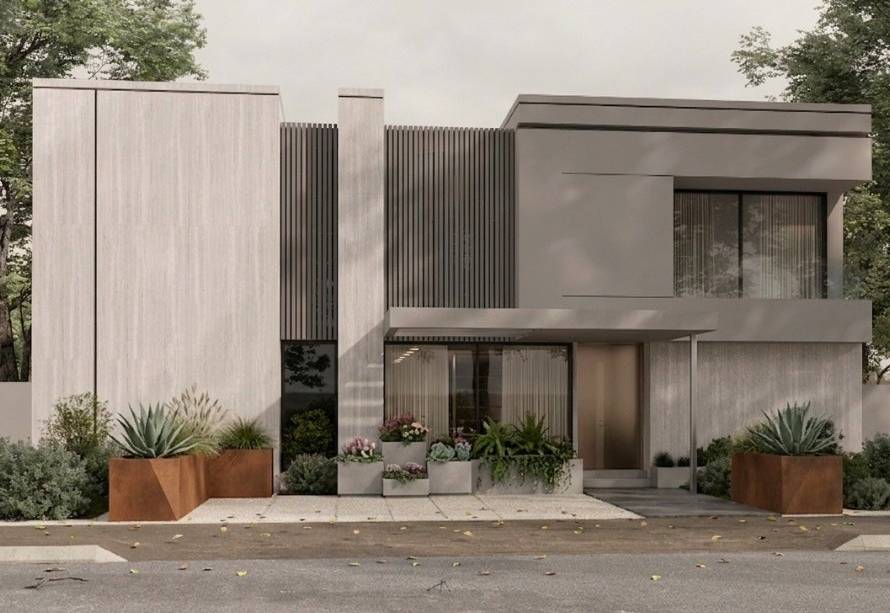
Italian tiles have become a defining element in Dubai’s luxury interior landscape. From high-end villas to penthouses and hospitality projects, designers consistently specify italian tiles in Dubai for one reason: they combine design heritage with precise manufacturing standards that align perfectly with modern architectural expectations.
But the popularity is not just emotional or brand-driven. It is rooted in technical consistency, design evolution, and material innovation that continues to outperform many alternatives in the premium surfaces market.
Design Language Behind Italian Tiles
Italian design has always been associated with controlled elegance rather than excessive decoration. This philosophy is now deeply embedded in modern Italian tile design, where surfaces are developed to feel minimal, architectural, and timeless.
Instead of loud patterns or overly complex textures, Italian manufacturers focus on:
- Subtle veining inspired by natural stone
- Balanced color grading
- Soft matte and satin finishes
- Precision surface detailing
This is why luxury Italian tiles are widely used in Dubai homes where interiors are designed around clean geometry and open space planning.
Why Dubai Luxury Homes Prefer Italian Surfaces?
Dubai’s luxury architecture demands materials that perform visually and technically in extreme environments like strong sunlight, air-conditioned interiors, and high usage areas.
This is where premium tiles Dubai collections influenced by Italian manufacturing standards stand out.
Key advantages include:
- High dimensional accuracy (rectified edges)
- Extremely low water absorption (<0.5%)
- UV stability for long-term color retention
- Advanced surface finishing technology
These properties make Italian surfaces highly reliable for both residential and commercial luxury applications.
Italian Porcelain: Technical Backbone of Modern Interiors
Most modern installations are engineered porcelain systems.
Italian porcelain tiles are manufactured using high-pressure pressing and high-temperature firing, creating dense, non-porous surfaces that perform exceptionally well in Dubai’s climate.
This makes them ideal for:
- Luxury villas
- High-end apartments
- Hotel interiors
- Retail flagship stores
Unlike conventional tiles, porcelain does not rely on surface coating for durability. The structure itself carries strength.
Imported Italian Tiles and Their Market Position
The demand for imported Italian tiles is closely linked to trust in European manufacturing standards.
Italian factories are known for:
- Strict quality grading systems
- Consistent batch production
- Advanced digital printing technology
- Architectural collaboration with designers
This consistency is critical in luxury projects where even minor shade variation can disrupt interior continuity.
For developers and designers, imported Italian collections are often considered a “safe specification” choice in high-value projects.
Italian Marble Look Tiles: The Luxury Alternative
One of the biggest drivers of demand is Italian marble look tiles.
Natural marble is expensive, porous, and high-maintenance. Italian porcelain alternatives replicate marble aesthetics while solving its functional limitations.
These surfaces offer:
- Carrara, Calacatta, and Statuario-inspired visuals
- Zero sealing requirements
- Stain and scratch resistance
- Easier long-term maintenance
This is why they dominate luxury home tiles Dubai specifications, especially in kitchens, bathrooms, and living areas.
Italian Slab Tiles and the Shift to Large Formats
Modern interiors in Dubai are moving toward seamless design systems.
Italian slab tiles are part of this evolution, offering large-format surfaces that reduce joints and enhance spatial continuity.
Typical applications include:
- Feature walls
- Luxury bathrooms
- Kitchen islands and countertops
- Hotel lobbies
Large slabs create a monolithic visual effect, which is now a key design requirement in high-end architecture.
This aligns with the broader demand for luxury flooring Dubai solutions that prioritize continuity over segmentation.
European Influence in Dubai Interiors
Italian products are part of a larger design ecosystem often referred to as european tiles Dubai.
This category represents:
- Italian design precision
- Spanish material diversity
- German engineering influence in production standards
However, Italian collections still lead in luxury perception because of their strong association with architectural heritage and design culture.
Why Designers Continue to Specify Italian Tiles?
Interior designers and architects consistently choose Italian surfaces for one reason: predictability.
In luxury projects, unpredictability equals risk. Italian manufacturing reduces that risk through:
- Controlled shade variation systems (V1–V4 grading)
- Strict rectification tolerances
- Consistent surface replication across batches
This makes project execution smoother and reduces installation errors.
How Novus Surfaces Are Changing It?
Novus Surfaces represent how Italian-inspired design principles are being adapted for modern global interiors.
Our approach reflects key Italian influences:
- Minimalist surface aesthetics
- Large-format porcelain systems
- Architectural-grade consistency
- Integration of marble-inspired collections into modern spaces
By combining European design language with global manufacturing systems, we position within the same luxury ecosystem that defines luxury Italian tiles in today’s market.
Conclusion
The popularity of Italian tiles in Dubai is based on performance, precision, and design intelligence.
From Italian porcelain tiles to Italian slab tiles, these materials consistently align with the demands of modern architecture: clean visuals, structural reliability, and long-term durability.
In luxury interiors, material selection is never random. Italian surfaces continue to dominate because they deliver what high-end design actually requires control, consistency, and timeless architectural value.
Contact team Novus for expert consultation.